The paradox of technology is this: "The same technology that simplifies life by
providing more functions in each device also complicates life by making the device harder to learn, harder to use (The Design of Everyday Things, p. 31)." Take the modern cell phone, or "smartphone." It is packed with features. It is essentially a miniature computer with the added ability to make telephone calls. The problem lies in the fact that no one quite knows how to access all of these fancy features, or even the relatively simple ones.
For example, the alarm clock on my smartphone is accessed by unlocking the phone (2 actions) clicking on the clock on the home screen, pressing the (+) sign, setting the time (5 separate actions), checking the "turn alarm on" box, pressing the"done" button, pressing the icon shaped like a house, and turning off the phone screen. A total of 13 separate actions. It is like hiding the control to turn off the air conditioning in a car behind a door in the glove compartment that has a lock. The worst part is that the special functions of my phone might actually make my life easier if I could remember how to use them. But I can't, because I did not design my phone and thus do not know how to operate all of its features, which greatly outnumber the given controls on the phone. So, yes, it is nice to have all of those fancy features on my phone, but they don't do me any good if I can't figure out where they are hidden or even if they exist.
Sunday, September 8, 2013

Thought-Provoking Product
About me: My name is Julia Chase and I am currently attending Wellesley College in Wellesley, MA, where I am taking an engineering seminar called Product Creation for All. I hail from the great land of Santa Cruz, CA, where the hippies roam free. I like singing, theatre, reading, science, math, and animals. I am also allergic to animals, but oh well.
Pre-Assignment: Thought-Provoking Product
Product: Cell Phone (smart phone with internet)

Pre-Assignment: Thought-Provoking Product
Product: Cell Phone (smart phone with internet)

When asked to chose a product that I found particularly thought-provoking, I chose a smart phone
with internet access. Now, as this assignment was for an engineering class, one would assume that I had some technological reason for choosing this product. One would be wrong. I chose this product because the way we use it perfectly evidences some problems that I have with our society today. The main problem that I have is this: I have an object in my hand that can access pretty much all of the information ever known to humankind, and yet I mostly just use it to check the time, play solitaire, and watch videos of cats.


I am not alone in this—very rarely do people use their “smart” phones for anything less trivial than directions to a restaurant. What does this say about our society? It basically says that we are superficial idiots who can’t even find our way around our hometowns without a GPS. However, I believe the question with regard to smart phones should not be “why do we use them in such frivolous ways?,” but rather “how can we use them for what we need/want (i.e. maps, time, actually talking to people, etc.), while still decreasing our dependence upon technological gadgetry and respecting the fact that we could use them for much better things?.”
with internet access. Now, as this assignment was for an engineering class, one would assume that I had some technological reason for choosing this product. One would be wrong. I chose this product because the way we use it perfectly evidences some problems that I have with our society today. The main problem that I have is this: I have an object in my hand that can access pretty much all of the information ever known to humankind, and yet I mostly just use it to check the time, play solitaire, and watch videos of cats.


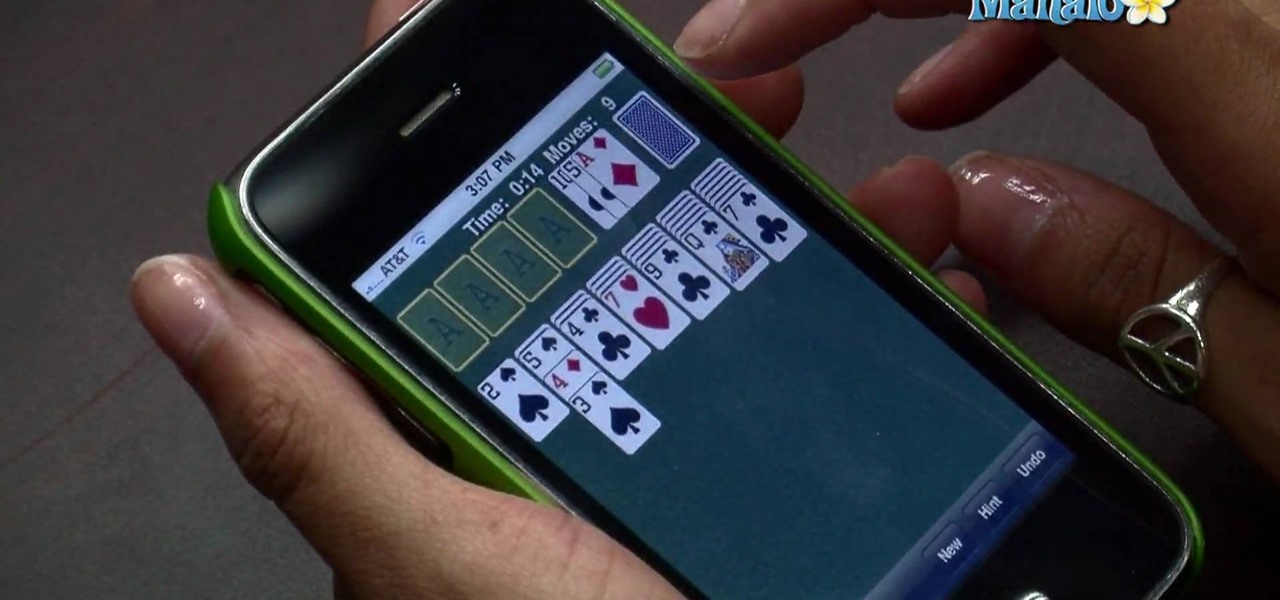
I am not alone in this—very rarely do people use their “smart” phones for anything less trivial than directions to a restaurant. What does this say about our society? It basically says that we are superficial idiots who can’t even find our way around our hometowns without a GPS. However, I believe the question with regard to smart phones should not be “why do we use them in such frivolous ways?,” but rather “how can we use them for what we need/want (i.e. maps, time, actually talking to people, etc.), while still decreasing our dependence upon technological gadgetry and respecting the fact that we could use them for much better things?.”
This question does not necessarily have an answer, but I believe that the first step to finding a solution to the problem of overdependence on technology is to get people to admit that it is a problem. Did you know that you can be addicted to technology? Think about it. The definition of addiction is "the state of being enslaved to a habit or practice (Dictionary.com)." We all know at least one person who cannot go anywhere without their cell phone, laptop, tablet, and MP3 player. This, like any addiction has a ripple effect on the many people involved in the addict's life and the constant interruptions to check gadgets can "take a toll on our bodies and our mental states," potentially causing headaches and insomnia, among other, more serious problems. (WebMD.com).

This is not merely an individual problem - overdependence on technology is a societal problem as well. We depend on machines for many things in our lives, more than we realize, and it is causing us to lose important skills. Not to sound paranoid or anything, but how many of us can truthfully say that we could survive if there was a worldwide blackout or if we got lost in the wilderness? How many people can build a fire without matches, make a bow and hunt, or even forage for edible plants? Not to mention long-term necessities like clothing and shelter. The answer: not very many.


Now, as the aforementioned scenario is unlikely to happen to any people reading this post, I want you to try to apply this to regular life by looking at the young people that you know (or yourself). How many can read a map? Not Google Maps, but a real, paper map. How many have decent handwriting? How many can still do simple addition and multiplication with ease and without using a calculator? Do any of them actually know how to build the computer that they are using for over 7.5 hours per day on average (Los Angeles Times)? I understand the concept of technology evolving and society moving forward, but how can we be sure that we aren't moving forward in some areas by moving backward in others?
Sources:
Pictures:

This is not merely an individual problem - overdependence on technology is a societal problem as well. We depend on machines for many things in our lives, more than we realize, and it is causing us to lose important skills. Not to sound paranoid or anything, but how many of us can truthfully say that we could survive if there was a worldwide blackout or if we got lost in the wilderness? How many people can build a fire without matches, make a bow and hunt, or even forage for edible plants? Not to mention long-term necessities like clothing and shelter. The answer: not very many.


Now, as the aforementioned scenario is unlikely to happen to any people reading this post, I want you to try to apply this to regular life by looking at the young people that you know (or yourself). How many can read a map? Not Google Maps, but a real, paper map. How many have decent handwriting? How many can still do simple addition and multiplication with ease and without using a calculator? Do any of them actually know how to build the computer that they are using for over 7.5 hours per day on average (Los Angeles Times)? I understand the concept of technology evolving and society moving forward, but how can we be sure that we aren't moving forward in some areas by moving backward in others?
Sources:
- http://www.webmd.com/mental-health/features/when-technology-addiction-takes-over-your-life
- http://dictionary.reference.com/browse/addiction?s=t
- http://elevenamproject4.wordpress.com/2013/04/26/technology-overdependence-the-effect-on-children/
- http://articles.latimes.com/2010/jan/20/business/la-fi-youth-media21-2010jan21
Pictures:
- http://us.123rf.com/400wm/400/400/ndul/ndul1202/ndul120200007/12369624-conceptual-image-about-how-a-smartphone-with-internet-connect-us-to-worldwide-information--multimedi.jpg
- http://cdn.brafton.com/wp-content/uploads/2011/11/Touchscreen-smartphone-e1326898450912.jpg
- http://www.craveonline.com/images/stories/2011/2012/November/Comedy/7-videos-cats-watching-tennis-header.jpg
- http://img.wonderhowto.com/img/40/93/63475367467414/0/play-solitaire-apple-iphone-4-ipod-touch.1280x600.jpg
- http://www.dailymobile.net/wp-content/uploads/2013/04/technology_addiction.jpg
- http://offgridsurvival.com/wp-content/themes/mimbo2.2/images//2008/05/hand-drill.jpg
Subscribe to:
Posts (Atom)